Source Wireless Noise Cancelling Mini Microphone for Meetings, Recording, and Voice
Explore 30 listings of wireless noise cancelling mini microphone options tailored for professional use. Buyers can compare specifications like frequency response, battery capacity, and transmission range across various models to find the best fit for their needs; compare the available evidence and request quotations based on your requirements.
Key considerations
Products List
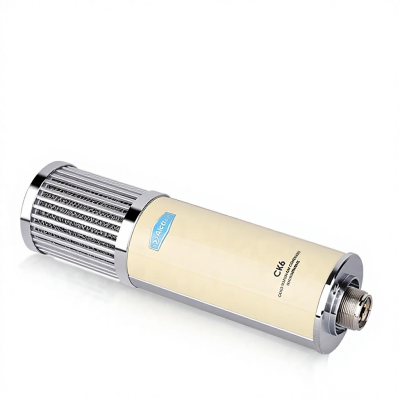


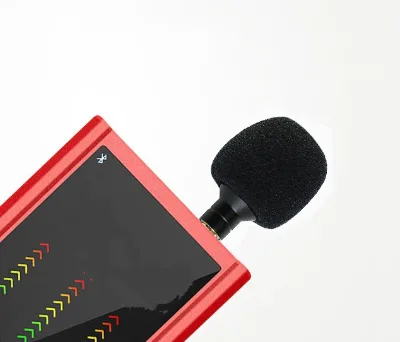
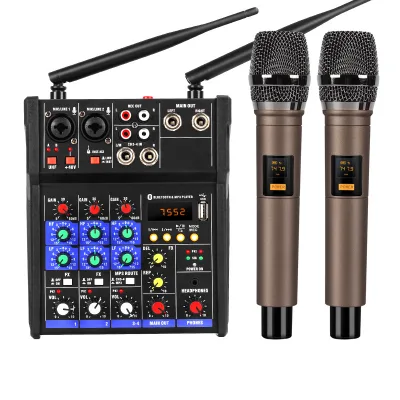
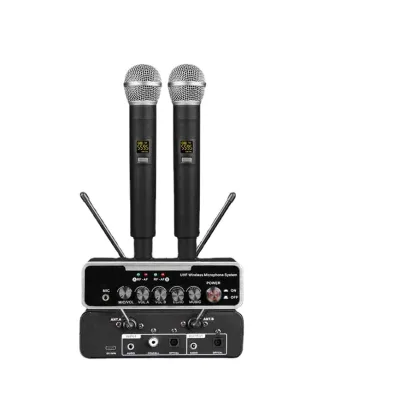
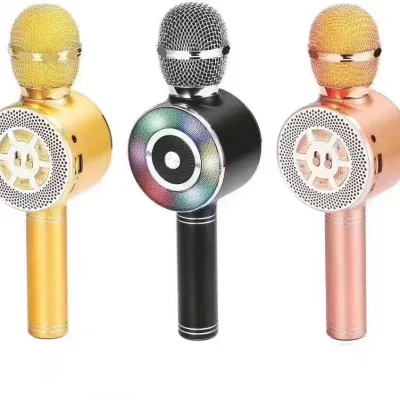
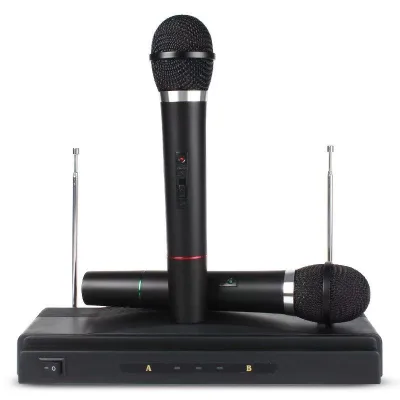


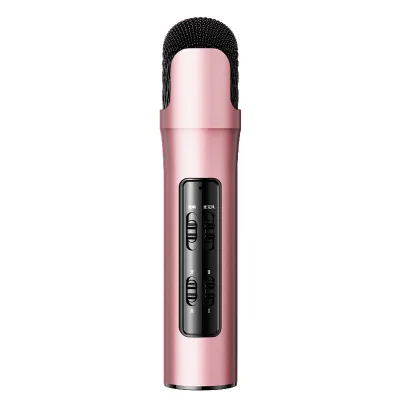
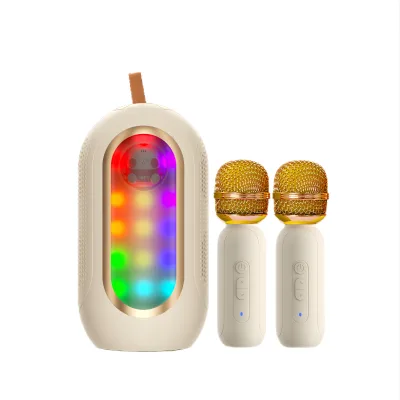


Comprehensive Sourcing Guide
Wireless Noise Cancelling Mini Microphone Sourcing Guide
Procuring wireless noise cancelling mini microphones requires a nuanced understanding of the conflicting technical signals present in current market listings. Buyers often encounter products labeled as "wireless" that simultaneously list "wired" signal transmission, creating immediate ambiguity about the actual connectivity method. This discrepancy suggests that some listings may describe hybrid systems or contain data entry errors, necessitating rigorous verification of the core transmission mechanism before committing to any order. The presence of active noise cancellation features further complicates the selection process, as these systems rely on specific hardware configurations that must be validated against the stated model specifications.
The observed product range includes various models such as the R6, X3W, and SF-777W, each with distinct physical dimensions and battery capacities. For instance, the X3W model specifies an 800mAh battery and a compact footprint, while the SF-777W highlights a transmitter battery capacity of 350mA. These variations indicate that "mini" is a relative term in this category, and buyers must align their physical space constraints with the required operational duration. Understanding these specific model attributes is crucial for determining whether a device meets the portability and endurance requirements of the intended professional or consumer application.
Product Scope and Observed Listing Signals
The current market landscape for mini microphones reveals a diverse array of product types, primarily centered around condenser microphone designs. Listings indicate that these devices are engineered for a wide range of applications, including meetings, voice recording, music production, and general amplification. The diversity in application support suggests that manufacturers are targeting both professional audio environments and casual user scenarios. However, the overlap in application tags across different models means that buyers cannot rely solely on application labels to determine technical suitability, as a microphone marketed for music may lack the specific frequency response needed for high-fidelity recording.
Observed listing signals also highlight significant variations in directivity and sound field force, which are critical for audio clarity. Some models are specified as uni-directional, ideal for isolating a single speaker in noisy environments, while others are omni-directional, capturing sound from all angles. Additionally, the distinction between pressure type and combined type sound field forces affects how the microphone interacts with acoustic environments. Buyers must carefully review these specific attributes to ensure the selected microphone aligns with the acoustic requirements of their specific use case, whether it involves capturing solo vocals or ambient group discussions.
Technical Specifications to Verify
When evaluating technical specifications, sensitivity and frequency response are paramount for ensuring audio quality. The observed sensitivity ranges from -33dB to -45dB, with tolerances of ±3dB, indicating that not all microphones will perform equally in low-volume scenarios. Buyers should verify the exact sensitivity rating for the specific model they intend to purchase, as higher sensitivity (closer to 0dB) generally allows for better performance in quieter environments. Similarly, frequency response varies significantly, with some models covering 20Hz-20kHz for full-range audio, while others are limited to 70Hz-20kHz or 80Hz-15kHz, which may result in a loss of bass or high-frequency detail.
Impedance and output impedance values also require careful scrutiny to ensure compatibility with recording interfaces. Listed output impedances range from 50-1000Ω to 1000-20000Ω, which can impact signal strength and noise levels when connected to preamps or mixers. Additionally, the signal-to-noise ratio and total harmonic distortion plus noise (THD+N) metrics provide insight into the clarity of the captured audio. For example, one model lists an SNR of ≥95dB and a THD+N of -85dB, suggesting high fidelity, while another lists a signal-to-noise ratio of -64dB, which may introduce noticeable background hiss. Verifying these electrical characteristics is essential for maintaining professional audio standards.
Compliance and Safety Documentation
Safety documentation is critical when sourcing electronic devices with built-in batteries, as seen in models like the X3W and SF-777W. Buyers must ensure that suppliers provide appropriate safety certifications for lithium-ion or lithium-polymer batteries, particularly regarding transport regulations and electrical safety. The work voltage of DC=5V is standard for many USB-powered devices, but the internal battery management systems must comply with relevant international safety standards to prevent overheating or leakage. Without proper certification, these devices may face regulatory hurdles in certain markets, leading to potential customs delays or product recalls.
Furthermore, electromagnetic compatibility (EMC) compliance is vital for wireless devices to ensure they do not interfere with other electronic equipment. While specific EMC standards are not explicitly listed in the provided facts, buyers should request test reports confirming that the wireless transmission adheres to regional radio frequency regulations. This is particularly important for devices operating in the 2.4GHz or other common wireless bands. Ensuring that the supplier can provide up-to-date compliance documentation helps mitigate legal risks and ensures that the products can be legally sold and operated in the target market without causing interference.
Cost Drivers and Commercial Terms
Several factors influence the cost structure of wireless noise cancelling mini microphones, including the complexity of the noise cancellation algorithm and the quality of the audio components. Models featuring active noise cancellation (ANC) typically command a higher price due to the additional processing hardware and software development required. Additionally, the battery capacity and type play a significant role in cost, with larger capacities like 800mAh requiring more robust power management systems. Buyers should consider whether the premium for ANC and extended battery life justifies the increased unit cost for their specific application needs.
Commercial terms such as minimum order quantity (MOQ) and customization options also impact the overall procurement strategy. The observed MOQ range of 1-1000 units suggests flexibility for both small-scale trials and larger bulk orders. Customization is available for many products, allowing buyers to tailor packaging, branding, or even specific technical features to their brand identity. However, customization may introduce additional costs and longer lead times. Buyers should negotiate clear terms regarding customization fees and production timelines to avoid unexpected expenses or delays in their supply chain.
Supplier Qualification and Quality Control
Supplier qualification is a critical step in ensuring the reliability of the supplied microphones. Buyers should verify the supplier's manufacturing capabilities, particularly their experience with wireless audio technology and battery integration. Factories located in regions like Huizhou and Shenzhen are known for electronics manufacturing, but buyers must confirm that the specific supplier has a robust quality management system in place. This includes checking for ISO certifications and assessing their history of producing consistent, high-quality audio devices. A supplier with a strong track record in wireless microphone production is more likely to deliver products that meet specified technical standards.
Quality control processes should be clearly defined and agreed upon before production begins. Buyers should request detailed quality control plans that include incoming material inspections, in-process checks, and final product testing. Specific tests should include battery safety checks, wireless signal stability tests, and audio quality assessments to ensure that each unit meets the sensitivity and frequency response specifications. Implementing a pre-shipment inspection protocol can help identify and rectify defects before the goods are dispatched, reducing the risk of receiving substandard products and minimizing the need for returns or replacements.
Long-Term Procurement Checks
Long-term procurement success depends on establishing a sustainable relationship with suppliers who can provide consistent product quality and support. Buyers should monitor supplier performance over time, tracking metrics such as on-time delivery rates, defect rates, and responsiveness to technical queries. Regular audits or reviews of the supplier's quality control processes can help identify potential issues early and ensure that the supplier maintains their standards as production volumes increase. Building a strong partnership with a reliable supplier can lead to better pricing, priority production slots, and improved support for future product iterations.
Additionally, buyers should stay informed about technological advancements in wireless microphone technology, such as improvements in battery efficiency, noise cancellation algorithms, and wireless transmission protocols. Regularly reviewing the product portfolio and engaging with suppliers about new developments can help buyers stay competitive and offer the latest features to their customers. By maintaining a proactive approach to supplier management and technology trends, buyers can ensure that their procurement strategy remains aligned with market demands and delivers long-term value.
FAQs
What is the frequency response range for the R6 condenser microphone?
The R6 condenser microphone features a frequency response range of 20Hz to 20kHz. This wide bandwidth ensures accurate capture of both low bass and high treble frequencies. It is suitable for general recording and voice applications where full-spectrum audio fidelity is required for professional results.
Can the wireless microphone model X3W be customized for specific branding needs?
Yes, customization is available for the X3W wireless microphone model. Buyers can request specific branding or packaging adjustments to meet their corporate identity requirements. This flexibility allows businesses to tailor the product presentation while maintaining the core technical specifications and performance standards of the device.
How long is the warranty period for the wireless microphone products listed?
The warranty period for the listed wireless microphone products is three months. This coverage provides buyers with a defined timeframe for addressing potential manufacturing defects or performance issues. It is important to review the specific terms associated with each supplier to understand the scope of this limited warranty.
What is the battery capacity of the SF-777W wireless microphone system?
The SF-777W wireless microphone system includes a transmitter with a battery capacity of 350mAh. This capacity supports barrier-free usage distances of up to 10 meters. The battery ensures reliable operation during meetings or recording sessions without requiring frequent recharging or power interruptions during normal use.
Which directivity pattern does the X3W microphone utilize for sound capture?
The X3W microphone utilizes an omni-directional directivity pattern for sound capture. This design allows it to pick up sound equally from all directions, making it ideal for group meetings or ambient recording. It ensures consistent audio quality regardless of the speaker's position relative to the microphone unit.
What is the signal-to-noise ratio for the SF-777W microphone model?
The SF-777W microphone model has a signal-to-noise ratio of -64dB. This specification indicates the level of background noise relative to the desired audio signal. A higher ratio generally implies clearer audio, though this specific value is suitable for standard voice recording and meeting applications where extreme silence is not critical.